




 Energy



No spam. Unsubscribe anytime. Privacy policy (opens in new window)
The sample was collected on April 7. Eurofins issued its results on April 10. According to the lab report, the 24-hour composite found:
Hexavalent chromium at 0.0104 milligrams per liter, just above the lab’s reporting limit of 0.01 mg/L. Hexavalent chromium is classified as a known human carcinogen by the US National Toxicology Program. It is the substance the Erin Brockovich case was built around.
Arsenic at 0.0025 mg/L. That is below the federal drinking water standard of 0.01 mg/L, but present.
Strontium at 1.17 mg/L. Mazloum’s technical report on the findings noted that long-term exposure can affect bone density and kidney function in humans and wildlife.
Lithium and vanadium at concentrations Lazarte’s letter described as abnormally high relative to rainwater or normal groundwater.
Elevated levels of manganese, iron, phosphorus, calcium, magnesium and potassium consistent with industrial discharge. Manganese, a battery process tracer, can have neurological effects at chronic doses. Excess phosphorus can cause algae blooms that strip oxygen from waterways.
Ammonia in the form of nitrogen at 1.68 mg/L, amplifying the algae bloom risk.
Neither hexavalent chromium nor arsenic appears in Tesla’s TCEQ discharge permit as an allowable pollutant. Neither was tested for during TCEQ’s February investigation.
Mazloum, whose technical report has since been distributed to Texas state legislators, describes the lithium signature in the wastewater as a “fingerprint at a crime scene,” and recommends that Tesla design and fund an on-site multi-stage treatment plant using industrial reverse osmosis to strip heavy metals out of the discharge. He has also told the Texas Tribune that the elevated salt content is killing the grass that holds the drainage ditch walls together, with the bare soil washing away in rain and reducing the ditch’s capacity to carry stormwater. Mazloum recommends Robstown residents stay away from the ditch.
Lazarte’s cease-and-desist letter to Tesla’s associate general counsel, sent in mid-April, asked the company to halt wastewater discharge pending a meeting to discuss the lab results. He called the findings “quite disturbing” and wrote that the combination of lithium, strontium and vanadium in the sample acted like “a chemical signature pointing back to the battery processing facility.”
What Tesla says
Tesla disputes the framing. Jason Bevan, Senior Manager of Site Operations at the Robstown plant, said in a written statement that the company “routinely monitors and tests its permitted wastewater discharge” and “remains in complete compliance with all requirements of its state-issued wastewater discharge permit, including applicable water quality standards.” Bevan added that Tesla is “currently reviewing the letter from Nueces County Drainage District #2 and looks forward to working cooperatively with the district to address their concerns.”
Tesla also argues that the Eurofins sampling methodology was inappropriate, because the lab placed its sampling equipment in the ditch downstream of the outfall pipe rather than at the outfall itself. The permit requires monitoring at the outfall point, and the company has pointed out that ditch samples can pick up contaminants from sources that have nothing to do with Tesla’s wastewater. This is a real argument, and a court considering the data will have to weigh it. The drainage district’s response, as expressed by Lazarte’s letter, is that the chemical fingerprint in the sample matches the facility’s process, not a random environmental background.
Notably, no party has alleged that Tesla is in violation of any law. TCEQ has not found one. Tesla is operating under a permit the state agency issued. The dispute, instead, is about what the permit was supposed to cover, and what got left out of it.
Why South Texas, and why now
The timing is what makes this story sting. Corpus Christi, sixteen miles east of the Tesla refinery, is preparing to declare a water emergency. The city’s reservoirs have been described in public meetings as facing “imminent depletion” if rainfall does not arrive, and emergency water-use restrictions are expected to be enacted in September if conditions do not improve. The state, more broadly, is in the middle of severe drought conditions across most of the affected basins.
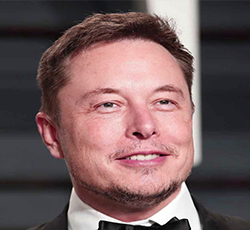
The plant in Robstown is supposed to be part of the solution to the United States’ lithium supply problem. Battery-grade lithium hydroxide is the bottleneck in the domestic EV battery supply chain that Tesla, Ford, GM and every other US automaker is racing to scale. Tesla’s Robstown facility, if it performs at design capacity, would be the first major piece of that supply chain to come fully online on US soil. Elon Musk has repeatedly cited the refinery as evidence that lithium production does not have to be the dirty, acid-intensive process it has historically been everywhere else in the world.
That argument now has trace concentrations of hexavalent chromium and elevated lithium sitting in a drainage ditch sixteen miles from a coastal city about to ration drinking water. The substances may or may not exceed any individual regulatory threshold. The combination of them, leaving a refinery that was marketed as the cleanest in the world, in a county that is running out of water, is the story.
What an American driver should take away from this
The cease-and-desist letter has not yet been answered. TCEQ has not reopened its investigation. Tesla is still operating the plant. The pipe is still discharging. None of this is illegal as currently constituted, because the permit that was written does not require monitoring for the things the independent lab found.
What it should do, for any American driver whose next EV is going to be built around domestically refined lithium, is force a real conversation about what “clean lithium” actually means and who gets to define it. Tesla called its process acid-free. The wastewater leaving the facility, on the day Eurofins sampled it, contained a known carcinogen above a detection threshold, an environmental poison below the drinking water standard but present, and abnormally elevated levels of the very metal the plant was built to produce. None of those facts are in dispute. What they mean is.
Please first to comment



Stay Connected
Tweets by elonmuskTo get the latest tweets please make sure you are logged in on X on this browser.