





 Energy




Follow us
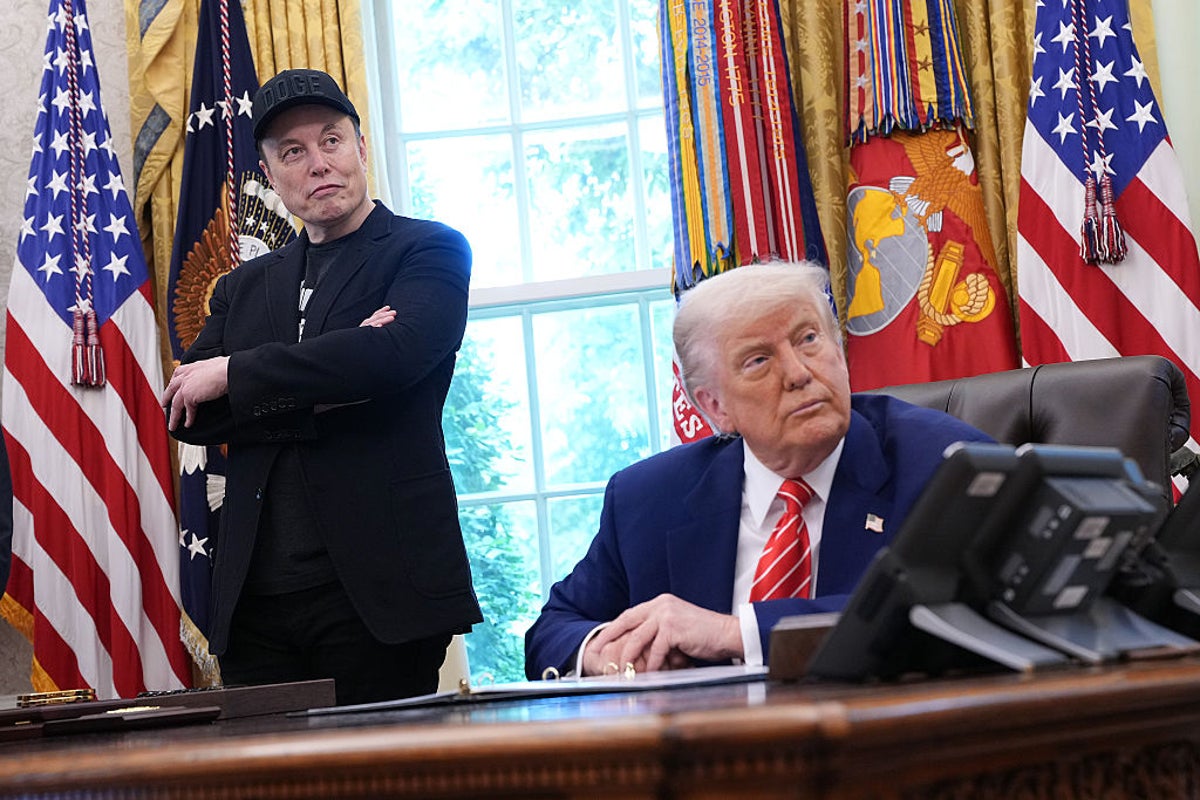
WASHINGTON – All eyes are on US President Donald’s high-stakes visit to China, and this time, POTUS is coming with an unusual entourage, not just diplomats, but some of the most powerful figures in global business, like Elon Musk, Apple CEO Tim Cook, and a lineup of Wall Street and corporate giants are joining him on a trip that blends politics with billion-dollar interests.
The visit, scheduled for May 13–15, 2026, marks Trump’s first trip to China during his second term and the first official visit by a sitting U.S. president in nearly a decade. But this is far more than a ceremonial diplomatic stop. Behind the scenes, the summit is shaping up as a high-stakes economic showdown aimed at redefining the future of U.S.-China relations amid rising tensions over trade wars, Taiwan, artificial intelligence, critical minerals, and global power competition.
White House confirmed that 16 top business leaders will join Trump in Beijing for meetings with Chinese President Xi Jinping. Cisco CEO Chuck Robbins was originally expected to attend but later pulled out, adding even more intrigue to an already closely watched trip.
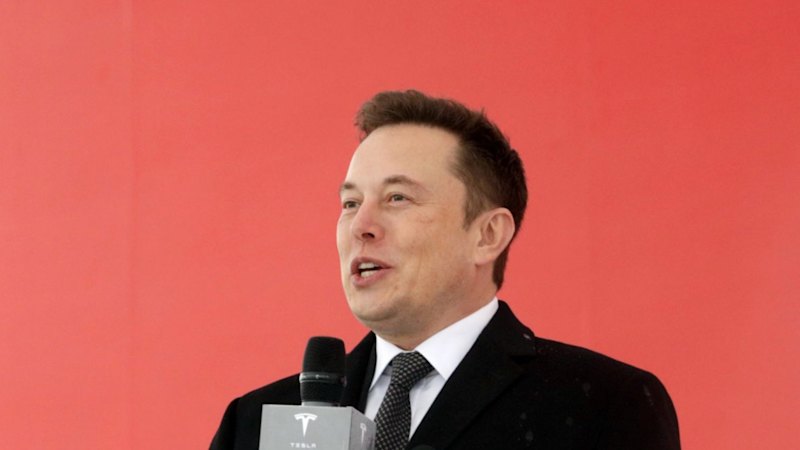
Perhaps the most eye-catching development is Elon Musk’s return to Trump’s inner orbit. Once considered politically distant after a public falling-out with the administration last year, Musk now appears fully back in the president’s circle. His presence in Beijing signals not only the restoration of ties between the world’s richest man and the White House, but also the growing influence of corporate leaders in shaping U.S. foreign policy.
Trump plans to push for the creation of a “U.S.-China Board of Trade” and a “Board of Investment”, ambitious new mechanisms designed to manage economic relations between the world’s two largest economies. The idea is to establish clear rules on what goods, technologies, and investments can continue flowing despite growing geopolitical hostility and national security concerns.
Sources close to the talks say massive commercial announcements are expected. Boeing is reportedly positioned to secure one of the largest Chinese aircraft purchase agreements in years, potentially involving hundreds of planes. American agricultural exports, especially soybeans, could also receive major Chinese buying commitments, echoing Trump’s earlier trade-deal strategy of securing headline-grabbing purchases from Beijing.
At the same time, executives like Tim Cook and Elon Musk are expected to lobby for smoother operations inside China as American tech companies face increasing regulatory pressure and fierce domestic competition. Financial giants such as BlackRock, Goldman Sachs, and Blackstone are also eyeing expanded access to Chinese investment markets worth trillions of dollars.
Despite the optimism surrounding possible deals, insiders caution that the summit is unlikely to deliver a historic breakthrough. Instead, analysts describe it as a “managed stability” mission. The discussions are expected to extend far beyond trade. Trump and Xi are likely to address escalating concerns over Taiwan, the Iran conflict and disruptions in the Strait of Hormuz, artificial intelligence governance, fentanyl precursor shipments, semiconductor restrictions, and the global race for rare earth minerals.
For markets, the visit represents a critical test of whether Washington and Beijing can maintain economic ties without sliding into full-scale decoupling. Investors are expected to closely monitor any hints of tariff reductions, export-control adjustments, or new bilateral agreements.
Politically, both leaders have much at stake. Trump is expected to frame the trip as proof of his ability to secure “big deals” and protect American economic interests ahead of the 2026 midterm season, while Xi is likely to use the summit to project stability and global influence at a time of mounting international pressure on China.
Still, major structural disputes remain unresolved. Deep disagreements over Chinese industrial subsidies, technology restrictions, military competition, cybersecurity, and intellectual property are unlikely to disappear overnight. Critics on both sides warn that flashy business agreements may do little to solve the deeper strategic rivalry defining the U.S.-China relationship.
Please first to comment


Stay Connected
Tweets by elonmuskTo get the latest tweets please make sure you are logged in on X on this browser.