






 Energy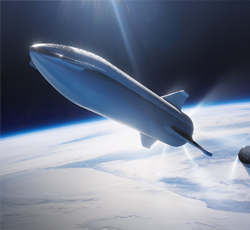





Brian Wang
NASA is proposing SpaceX Starship now handles translunar injection (TLI) propulsion and the full landing role, while SLS/Orion is limited to LEO only.
This shrinks Boeing’s role and gives more to SpaceX Starship.
Artemis III (2027) — LEO Docking Test (Almost Unchanged, Now a Perfect Dress Rehearsal)
Before today’s proposal (Feb 27 baseline):
Orion (with 4 astronauts) launches on SLS into LEO. It practices rendezvous, docking, and joint operations with one or both commercial Human Landing Systems (HLS) — SpaceX’s Starship variant and/or Blue Origin’s Blue Moon. Full tests of life support, communications, propulsion, new xEVA suits, and docking procedures. No trip to the Moon. This was explicitly designed as a low-risk “Apollo 9-style” shakedown.
After today’s proposal, It is virtually identical, The LEO docking with Starship is exactly the first step of the new landing architecture. Artemis III becomes the ideal rehearsal for the Earth-orbit rendezvous + Starship TLI that Artemis IV will actually fly. No major hardware changes needed for this mission. It still launches in mid-2027 and remains the risk-reduction flight before any landing attempt.
Artemis IV (2028) — First Crewed Lunar Landing (Biggest Change) OLD PLAN
SLS launches Orion + crew on a direct path toward the Moon (using the Interim Cryogenic Propulsion Stage or similar for TLI to send Orion into a near-rectilinear halo orbit or lunar orbit). A pre-launched, refueled Starship HLS would meet Orion in lunar orbit, crew transfers, Starship descends to the surface (South Pole region), spends ~6–7 days on the Moon, ascends, redocks, and Orion returns the crew to Earth.
Artemis IV (2028 NEW)
Please first to comment


Stay Connected
Tweets by elonmuskTo get the latest tweets please make sure you are logged in on X on this browser.