





 Energy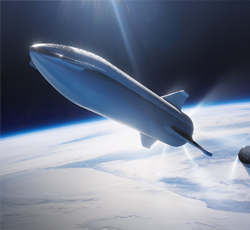





SHARE
SpaceX says its next-generation Starlink Mobile network could deliver peak download speeds of up to 150Mbps per user, in a move that would bring satellite-to-phone connectivity closer to traditional 5G performance.
Speaking at Mobile World Congress (MWC) and the ITU Space Connect conference, SpaceX executives outlined plans to upgrade the company’s direct-to-cell service – now rebranded as Starlink Mobile – with a new constellation of satellites launching from mid-2027.
“We are aiming at peak speeds of 150Mbps per user,” SpaceX satellite policy lead Udrivolf Pica said, describing the target as a major leap from the current system, which delivers around 4Mbps and supports texts, low-resolution video calls and basic apps in mobile black spots.
Michael Nicolls, SpaceX’s vice president of Starlink engineering, said the goal is to make satellite connectivity “look and feel like you’re connected to a high-performing 5G terrestrial network” under the right conditions.
The upgrade will rely on a second-generation satellite constellation, with more than 50 satellites expected to launch per mission aboard SpaceX’s upcoming Starship rocket.
The company aims to deploy around 1,200 satellites within six months of the first launch to enable global, continuous coverage, eventually scaling to as many as 15,000 satellites pending regulatory approvals.
According to SpaceX, the new satellites will feature significantly larger phased-array antennas and dramatically higher capacity, offering up to 100 times the data density of the first-generation system.
The expansion is also expected to improve coverage in remote and polar regions where terrestrial networks struggle.
Starlink Mobile is currently offered through carrier partners including T-Mobile in the US, Rogers in Canada and KDDI in Japan.
SpaceX has positioned the service as complementary to existing mobile networks, designed to fill coverage gaps and provide resilience during outages rather than replace traditional carriers.
If successful, the 150Mbps target would place Starlink Mobile within striking distance of some terrestrial 5G services.
It would mark a significant shift in the competitive landscape for global mobile connectivity, including in remote parts of Australia.
About Post Author
Please first to comment



Stay Connected
Tweets by elonmuskTo get the latest tweets please make sure you are logged in on X on this browser.