





 Energy


Tesla employee fired for flagging ‘deadly conditions’ and ‘catastrophic’ fire hazards at warehouse, lawsuit says

Support Now
From reproductive rights to climate change to Big Tech, The Independent is on the ground when the story is developing. Whether it's investigating the financials of Elon Musk's pro-Trump PAC or producing our latest documentary, 'The A Word', which shines a light on the American women fighting for reproductive rights, we know how important it is to parse out the facts from the messaging.
At such a critical moment in US history, we need reporters on the ground. Your donation allows us to keep sending journalists to speak to both sides of the story.
The Independent is trusted by Americans across the entire political spectrum. And unlike many other quality news outlets, we choose not to lock Americans out of our reporting and analysis with paywalls. We believe quality journalism should be available to everyone, paid for by those who can afford it.
Your support makes all the difference.
Read more
A former supervisor at a Tesla battery distribution warehouse claims she was fired after flagging âpotentially deadly working conditionsâ that put workersâ lives at risk, according to court filings reviewed by The Independent.
In a complaint filed initially in state court and removed to San Francisco federal court on Thursday, ex-Tesla Energy regional manager Nina Mirani describes the companyâs Hayward, California facility, or, âhub,â as dangerously overcrowded and âripe for a potentially catastrophic fire.â
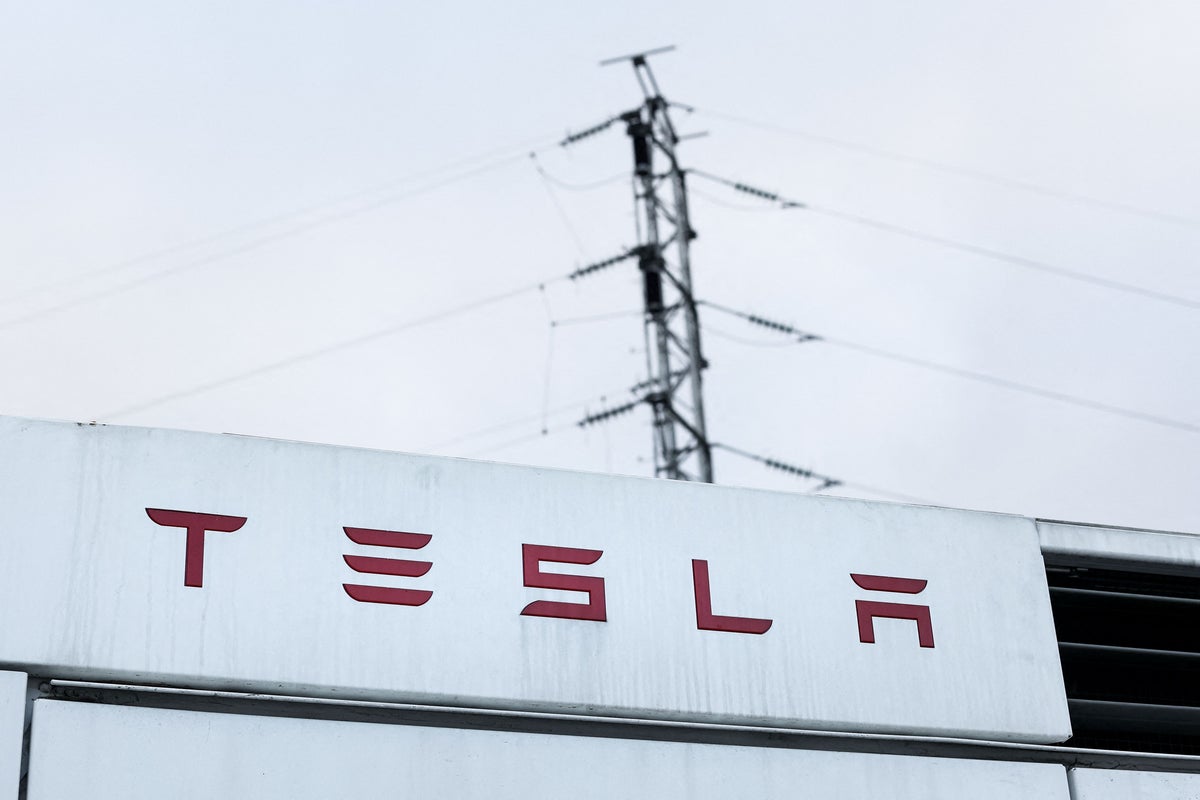
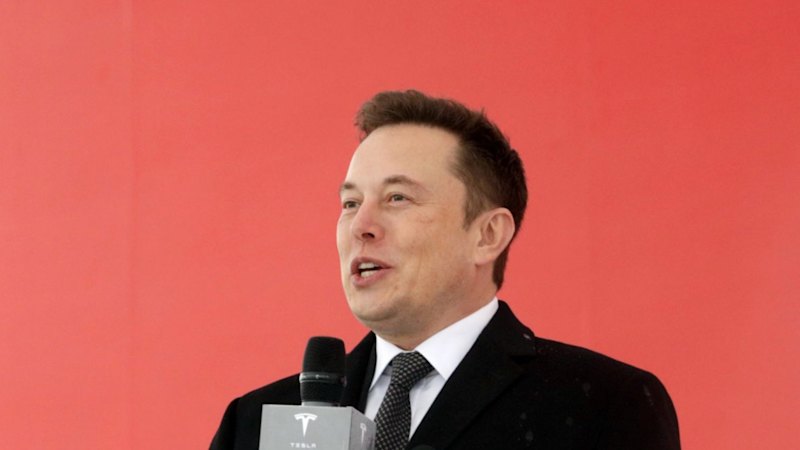
Tesla Energy, under the tutelage of the worldâs richest man, Elon Musk, is the electric carmakerâs sustainable energy division, manufacturing, selling and installing photovoltaic systems, such as their âPowerwallâ and âSolar Roofâ products, to commercial and residential customers.
Miraniâs complaint says higher-ups âregularly overstocked⦠hubs with batteries for Tesla power walls, creating unsafe and potentially deadly working conditions.â With insufficient space to properly store them, the lithium-ion cells were stacked in the aisles and against walls, forcing workers, including forklift operators, to navigate âdangerously confined pathwaysâ while carrying âhigh-voltage material,â the complaint contends.
Although Mirani ârepeatedlyâ warned her bosses about it, they âdisregarded [her] legitimate safety concerns and continued to send large amounts of high-voltage batteries to the⦠facility,â according to the complaint. At the same time, the filing alleges, âlarge amounts of hazardous material were being delivered into the buildings, compounding the dangers of the buildings being over capacity.â
open image in gallery
Teslaâs sustainable energy division, Tesla Energy, manufactures, sells, and installs photovoltaic systems, such as their âPowerwallâ and âSolar Roofâ products, to commercial and residential customers
(AFP via Getty Images)
A lithium-ion battery fire creates its own oxygen, burns extremely hot, and can produce a self-perpetuating chemical reaction known as thermal runaway, all of which make it extremely hard to extinguish one. In 2024, a Texas man behind the wheel of a Tesla Cybertruck burned to death in a fire after rolling the SUV into a ditch, its lithium-ion batteries burning with such ferocity, the driverâs bones literally disintegrated.
In many instances, there is little firefighters can do other than wait for a lithium-ion battery blaze to burn itself out.
Last year, a series of Tesla battery storage systems at a solar facility in Nevada caught fire twice within 30 days. A Tesla lab in Palo Alto recently also saw two battery fires within a month, the latter shutting the facility down for three weeks. Teslaâs vehicle manufacturing plant in Fremont has experienced numerous fires over the past decade, a battery storage unit powering a Tesla electric vehicle charging station in a San Marcos shopping center unexpectedly went up in flames last month, and the company in November recalled 10,000 Powerwall 2 battery units due to elevated fire risks.
No battery fires at Teslaâs hub in Hayward have been publicly reported.
A Tesla spokesperson and company attorney did not respond on Friday to requests for comment.
open image in gallery
Elon Musk's Tesla Energy is cutting corners on safety at its Hayward, California battery storage facility, ex-regional manager Nina Mirani alleges in court documents
(AFP via Getty Images)
Mirani began working at Tesla in January 2019, on the automotive side of the business, her complaint states. In 2023, she was transferred to Teslaâs energy storage division, it says.
Later that year, Mirani was given responsibility for overseeing two of Teslaâs energy distribution hubs, which, the complaint explains, are âlarge warehouses that receive residential power walls [sic] containing high-voltage lithium-ion batteries, along with solar panels and other components directly from international and national suppliers to be distributed to warehouses for pickup by local installers.â
At the hub in Hayward, which the complaint says was the âprimary intake locationâ for Tesla Powerwalls, Miraniâs duties consisted largely of making sure everything was stored safely.
But, the complaint continues, management paid no mind to Miraniâs continual pleas to thin out the battery inventory or risk burning the entire facility down.
In the fall of 2024, Mirani delivered a PowerPoint presentation to one of the top bosses at Hayward, raising âsignificant safety concernsâ about battery overcrowding at the hub.
She told him that the frenetic volume of incoming battery products to be stored, along with a comparatively slower outflow of orders, âcreated conditions ripe for a potentially catastrophic fire, placing⦠employees at serious risk,â the complaint states. Mirani followed up with a walk-through of the Hayward hub, pointing out the various ways in which she believed worker safety was being jeopardized.
open image in gallery
A glut of Tesla Powerwalls stacked up in aisles at the company's storage hub in Hayward, California created a serious fire hazard, according to a lawsuit filed by one ex-manager
(Getty Images)
Still, no matter how many times Mirani spoke up, bringing her concerns to multiple superiors, nothing changed, the complaint alleges.
Finally, in mid-February 2025, Mirani asked someone from Teslaâs Systems Development Team to spend a week shadowing her team to see for himself the concerns she had been raising, the complaint states.
The systems exec highlighted all of the same things as Mirani, who asked her direct boss for permission to hire badly needed additional staff âto address and offset the immediate and compounding issues,â according to the complaint.
But, it maintains, Miraniâs boss shot her down, telling her instead to âwork with the systems department to come up with better systems.â
âThereafter, [Teslaâs]' factory ramped up production and [Miraniâs] teams received a flood of high-voltage batteries at the hubs,â the complaint says.
Mirani voiced her deepening fears about having far too many batteries onsite, but was instructed to âmake them fit,â according to the complaint. Increasingly worried, Mirani went to her bossâs boss, who agreed to visit the hub within two weeks time, the complaint states.
Three days later, Mirani was fired.
open image in gallery
After complaining about what she says were serious fire hazards at a Tesla facility in Hayward, California, ex-Tesla Energy regional manager Nina Mirani was fired, according to a newly filed lawsuit
(AFP via Getty Images)
According to her complaint, Mirani was told that she had been terminated for performance issues, and that âseveral shipmentsâ had been lost under her watch. However, the complaint calls this a pretext, noting that Mirani âmaintained a consistent track record of excellence for the entirety of her tenure, demonstrated by glowing performance reviews,â regular raises, and three performance-based awards in 2024 alone.
Additionally, no âmissingâ shipments ever appeared in the fulfillment team's tracking system, and were never mentioned again after Miraniâs firing, which the complaint says is confirmation âthat no such error had ever occurred.â
Aside from Mirani, two other Tesla employees who had also spoken out about safety issues at the Hayward hub were terminated the same day, according to the complaint. At the same time, it says the one employee on Miraniâs team who never raised his voice about anything safety-related was spared.
Miraniâs complaint says she has suffered humiliation, mental anguish, and emotional distress, and is seeking general, compensatory, and punitive damages to be determined at trial.
Tesla, for its part, says in a motion to dismiss that the employment agreement Mirani signed when she took the job directs all workplace claims to mandatory arbitration.
The company also argues that Miraniâs job was âat will,â that there existed âlegitimate, non-retaliatory reasons for the alleged acts of⦠which [Mirani] complains,â and that âany symptoms of mental or emotional distress or injury⦠were the result of a pre-existing psychological disorder or alternative concurrent cause, and not the result of any act or omission of Defendants.â
An initial case management conference is set for June 1.
More about
Please first to comment


Stay Connected
Tweets by elonmuskTo get the latest tweets please make sure you are logged in on X on this browser.