






 Energy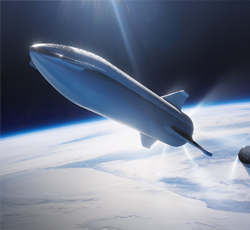




10:50 AM PST · February 5, 2026
On Friday, when SpaceX filed plans with the Federal Communications Commission (FCC) for a million-satellite data center network, you might have thought Elon Musk was having a bit of fun with us. But a week later, it is clear that he is dead serious.
The most obvious step, of course, is the formal merger between SpaceX and xAI that went forward on Monday, officially drawing together Musk’s space and AI ventures in a way that makes a lot more sense if there’s some kind of joint infrastructure project planned.
But even beyond the merger, we’re starting to see the idea of orbital AI data clusters — essentially, networks of computers operating in space — cohere into an actual plan. On Wednesday, the FCC accepted the filing and set a schedule seeking public comment. It’s a pro forma step normally, but FCC chairman Brendan Carr took the unusual step of sharing the filing on X. Throughout his tenure as chairman, Carr has shown himself eager to help Trump’s friends and punish his enemies — so as long as Musk stays on Trump’s good side, the proposal is likely to sail through without issue.
At the same time, Elon Musk has started to flesh out the argument for orbital data centers in public. On a new episode of Stripe co-founder Patrick Collison’s podcast “Cheeky Pint,” which also featured guest Dwarkesh Patel, Musk laid out the basic case for moving most of our AI computing power into space. Essentially, solar panels produce more power in space, so you can cut down on one of the main operating expenses for data centers.
“It’s harder to scale on the ground than it is to scale in space,” Musk said in the podcast. “Any given solar panel is going to give you about five times more power in space than on the ground, so it’s actually much cheaper to do in space.”
Close listeners will note that there is a bit of a gap in the logic here! It’s true that solar panels produce more power in space, but since power isn’t the only cost in operating a data center and solar panels aren’t the only way to power a data center, it doesn’t follow that it’s cheaper to do the whole thing in orbit, as Patel noted in the podcast. Patel also raised concerns about servicing GPUs that fail during AI model training, but you’ll have to listen to the full episode for that.
New season of Cheeky Pint starts tomorrow! First up: @dwarkesh_sp and I sit down with @elonmusk to discuss space GPUs and much more. pic.twitter.com/dJ4dLluTMr
Please first to comment

Stay Connected
Tweets by elonmuskTo get the latest tweets please make sure you are logged in on X on this browser.