





 Energy


Thursday, January 22, 2026
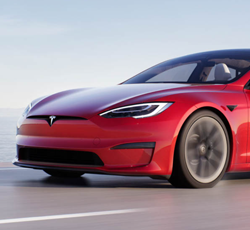
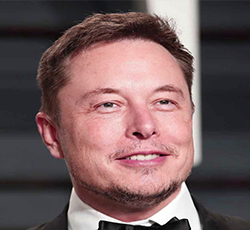
Elon Musk’s bold prediction that Tesla’s robotaxis will blanket the U.S. by December 2026 has electrified investors and rattled competitors, but execution remains the ultimate test. Speaking at a recent earnings call, Musk declared the company’s autonomous vehicles would achieve widespread deployment across major cities, marking a pivotal shift from pilot programs to national scale. This ambition comes amid Tesla’s stagnating EV sales and intensifying rivalry from Waymo and Zoox.
Tesla’s Ambitious Timeline Under Scrutiny
Analysts are divided on whether Tesla can deliver. Sherwood News reports Morgan Stanley forecasting just 1,000 robotaxis by year-end, far below Musk’s earlier October pledge of 1,500 by late 2025—a target already missed. Tesla’s current operations are confined to Austin and the San Francisco Bay Area, where rides are offered with safety drivers, as noted in recent posts on X from Tesla.
Musk has outlined expansions to Nevada, Florida, and Arizona next, with a goal to remove safety riders in Austin by December. Yet, CNBC highlights Musk’s earnings call statement: “Tesla’s robotaxis will be widespread in the U.S. by the end of this year,” underscoring the pressure to scale Full Self-Driving (FSD) software amid regulatory hurdles.
Competitive Pressures Mount
Waymo, Alphabet’s autonomous unit, is pulling ahead with rapid expansions. CNBC details Waymo’s global push in 2025, now offering driverless rides in Phoenix, San Francisco, and Los Angeles, completing over 10 million paid trips. Tesla’s Austin service area exceeds competitors there, per Elon Musk on X, but experts say Tesla trails in unsupervised operations.
The New York Times notes Tesla shares soaring on robotaxi hype despite lagging roadsides, with Waymo’s head start in mapping and sensor tech posing a barrier. Zoox, Amazon-backed, debuted public rides in 2025, adding to the fray as Tesla’s Cybercab production looms.
Financial Stakes and Production Hurdles
Tesla’s EV deliveries fell in 2025, overtaken by BYD, per Bloomberg. Musk is betting big on robotaxis for revenue, with CNN Business warning the service remains hypothetical, dragging profitability. Q4 2025 earnings, due January 28, will test FSD monetization, as IG International previews margin squeezes.
Production ramps are critical. Business Insider flags 2026 deadlines for Cybercab volume output, while Not a Tesla App outlines FSD global rollout and Tesla Semi scaling. Musk’s X post on AI advancements promises AI4 for superior self-driving safety, but hardware like the south Giga Texas extension for 50k H100 chips is just ramping.
Regulatory and Technical Roadblocks
Federal and state approvals are key. Tesla eyes unsupervised FSD in Texas and California first, but NHTSA probes loom over crashes. InsideEVs recaps 2025 disappointments, with promises unmet. Rivals like Waymo navigated regs via geofenced pilots; Tesla’s vision-only approach skips lidar, risking edge cases in weather or crowds.
Musk claims Austin’s FSD build is six months ahead of consumer versions, per his X reply. Optimus robot production ties in, with Gen 3 lines slated for 2026 at $20k COGS, as Tesla posted on X, potentially synergizing factory testing with robotaxi fleets.
Investor Sentiment and Market Projections
Wall Street remains bullish despite delays. Morgan Stanley’s tempered 1,000-unit forecast contrasts Musk’s optimism, fueled by Teslarati reports of Waymo geofence growth nearing Tesla’s. Shares hit highs on autonomy bets, but CNN cautions shareholders on the ‘real ride’ of unproven tech.
Longer-term, Tesla’s 2026 roadmap per Not a Tesla App envisions transforming pilots into reality, with FSD driving anywhere in the U.S., Canada, Mexico, and beyond, as Tesla touted on X. Success hinges on AI5 near-perfection and regulatory wins.
Path to Scale: Factories, Software, and Fleet Economics
Giga Texas expansions house compute for FSD training, per Musk’s 2024 X post, now operational. Fleet economics promise high margins: robotaxis could generate $30/hour revenue at 20% utilization, dwarfing ride-hailing drivers. But scaling to thousands requires Cybercab assembly lines hitting stride.
Challenges persist in complex scenarios—Musk admits attention needed for intersections or weather. Competitors’ multi-sensor fusion gives edge; Tesla counters with data volume from millions of miles driven. 2026 proves make-or-break for Musk’s vision.
Subscribe for Updates
Please first to comment

Stay Connected
Tweets by elonmuskTo get the latest tweets please make sure you are logged in on X on this browser.