





 Energy



Thursday, January 22, 2026
Alphabet Inc.’s Waymo unit threw open the doors to its fully autonomous ride-hailing service in Miami on Thursday, marking the company’s sixth major U.S. market and signaling aggressive expansion amid intensifying competition from Tesla Inc. and others. Paying riders can now summon driverless Jaguar I-Pace vehicles across a 60-square-mile zone encompassing key neighborhoods from Coconut Grove to Wynwood, with initial access via a waitlist that has already drawn thousands of sign-ups.
The launch, detailed in a Waymo blog post, comes after months of testing and builds on the firm’s partnerships, including a fleet management deal with Moove Technologies to scale operations using electric vehicles. Waymo Chief Product Officer Skylar Rivers-Ji described the rollout as ‘a major step toward making autonomous mobility accessible to everyone in Miami,’ emphasizing the service’s safety record of over 50 million rider-only miles nationwide without a single crash causing injury.
Miami’s Strategic Beachhead
Miami represents Waymo’s boldest push into the Southeast, a region with dense traffic, tropical downpours and unpredictable pedestrian flows that test the limits of self-driving software. The service area, mapped out in Waymo’s announcements, prioritizes high-demand corridors like Brickell and South Beach, where riders can expect fares comparable to Uber or Lyft but with the novelty of an empty driver’s seat. Early feedback from testers highlights smooth rides, though some note occasional hesitations at complex intersections.
According to a CNBC report, this debut extends Waymo’s lead in commercial robotaxi deployments, now serving Phoenix, San Francisco, Los Angeles, Austin and Atlanta alongside Miami. The expansion aligns with Alphabet’s goal to hit one million paid trips weekly by year-end, up from 250,000 currently, as regulatory approvals in Florida facilitated a swift transition from employee testing to public access.
Moove Partnership Fuels Growth
Central to the Miami operation is Waymo’s alliance with Moove, an African-founded fleet operator backed by Uber and Sequoia Capital, which will manage up to 2,000 vehicles over time. Moove’s role includes sourcing, maintaining and charging the all-electric fleet, drawing on its experience in high-growth markets like Nigeria and South Africa. ‘We’re proud to partner with Waymo to bring safe, sustainable transport to Miami,’ said Moove co-founder Ladi Delano in a statement tied to the launch.
This model mirrors Waymo’s Uber integrations in Phoenix and Austin but scales faster through Moove’s expertise in emerging markets. A Sherwood News article notes that the partnership addresses Waymo’s vehicle supply constraints, with Jaguar production ramping to meet demand across new cities like Houston and Orlando slated for 2026.
Waitlist Frenzy and Rider Realities
The Verge reports a surge in waitlist registrations since December, with locals excited about ditching surge pricing during Art Basel or Miami Heat games. Initial rides are limited to invited users, but Waymo plans to lift restrictions within weeks as it maps more streets. Safety data shared in the blog post shows the Waymo Driver handles Miami’s palm-lined boulevards and drawbridges with a disengagement rate far below human drivers.
Challenges persist: Recent incidents in San Antonio, where vehicles paused at dark traffic lights during outages, underscore vulnerabilities to infrastructure glitches, as covered in Yahoo News. Yet Waymo’s fourth-generation hardware, featuring 360-degree lidar and radar, positions it ahead of rivals still navigating regulatory hurdles.
Competitive Pressures Mount
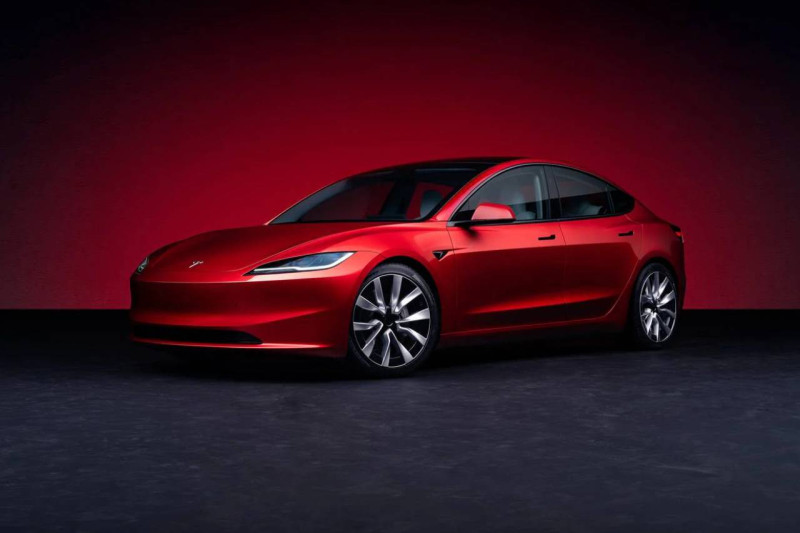
Tesla looms large, with Elon Musk touting Cybercab production costs under $0.20 per mile in a Electric Vehicles site update. Morgan Stanley analysts, cited by Sherwood News, forecast Tesla reaching just 1,000 robotaxis by late 2026 versus Waymo’s tens of thousands. Waymo’s edge lies in its decade-plus of real-world data, enabling superior mapping and prediction in chaotic urban settings.
Posts on X from Waymo’s official account confirm employee testing at Dallas and San Antonio airports, hinting at imminent Texas launches. Reuters reported in November 2025 that fully autonomous ops began in Miami proper, with expansions to four more cities accelerating Waymo’s path to profitability.
Regulatory Tailwinds and Hurdles
Florida’s pro-autonomy laws, including no statewide permit requirements for driverless vehicles, smoothed Waymo’s entry compared to California’s stringent oversight. CNBC highlighted Miami as the sixth market, projecting $1 billion in annual revenue potential across Waymo’s footprint by 2027. Investors cheered the news, with Alphabet shares ticking up 1.2% on launch day.
Critics, including local taxi unions, decry job losses, but proponents point to reduced emissions—Miami’s fleet will displace thousands of gas-powered rides yearly. Waymo’s blog touts integration with the Uber app in select areas, broadening reach without building a standalone rider base.
Tech Under the Hood
At CES 2026, Waymo unveiled a rebranded Zeekr-based robotaxi sans steering wheel, per TechCrunch, signaling a shift to purpose-built hardware by 2027. Current Miami rides use retrofitted Jaguars equipped with five lidar sensors and neural networks trained on billions of simulated miles. This stack achieves 99.9% reliability in rain, a leap from earlier systems.
Waymo’s Austin expansion hit 50 square miles recently, per Teslarati, nearing Tesla’s supervised test sizes but with full autonomy. Rider surveys show 98% satisfaction rates, with complaints limited to wait times during peak hours.
Path to National Dominance
With 2026 dubbed Waymo’s breakout year by Yahoo Finance, plans include Atlanta densification and international probes in Tokyo. Moove’s global footprint could export the model abroad, challenging Baidu’s Apollo Go in Asia. Alphabet’s $5 billion autonomous investment since 2020 is paying dividends, with Waymo One profitability eyed for 2027.
Incidents like the San Antonio freeze, blamed on signal failures, are learning opportunities—Waymo updated protocols fleet-wide. As robotaxis proliferate, insurers like Swiss Re are recalibrating premiums, betting on data proving humans deadlier behind the wheel.
Subscribe for Updates
Please first to comment



Stay Connected
Tweets by elonmuskTo get the latest tweets please make sure you are logged in on X on this browser.