






 Energy




1 minute ago
Scottish scientists plan to send a small sample of fabric into space to test a special dye which can detect radiation.
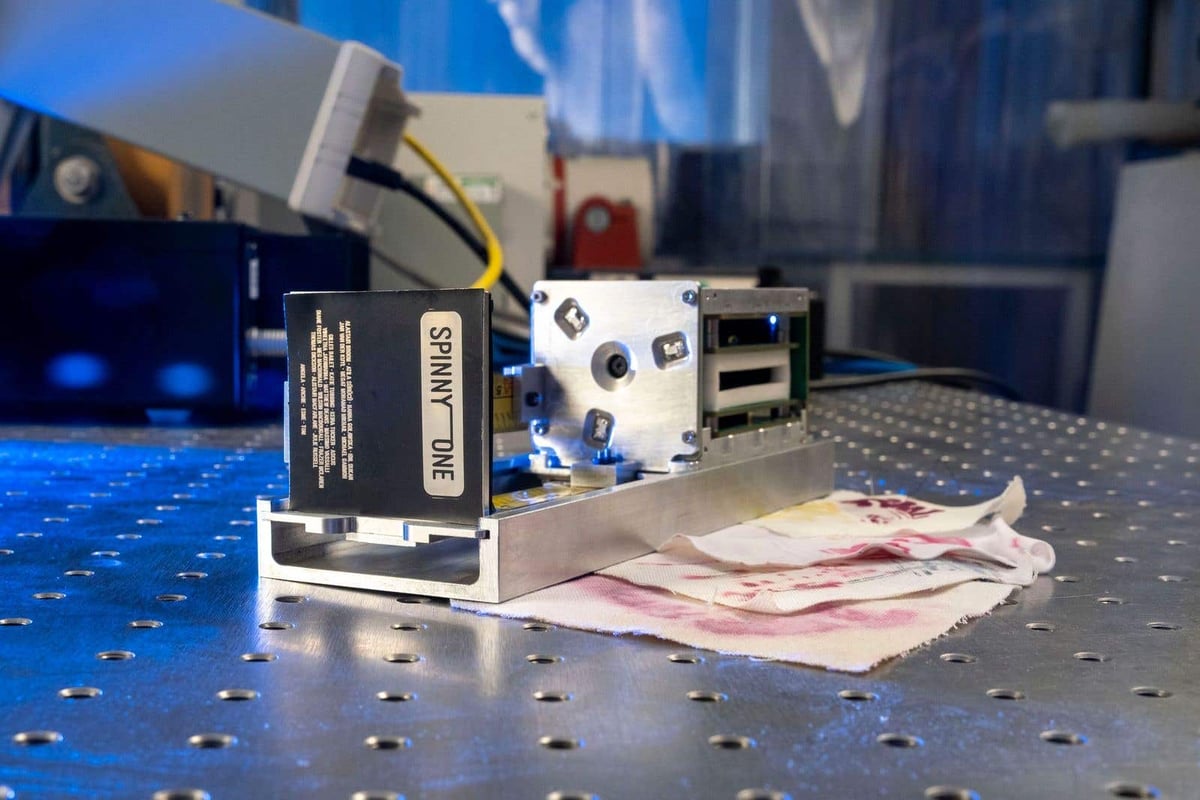
Fabrics painted with specially-designed dyes made from different types of bacteria will be launched from one of SpaceX’s Falcon 9 rockets in February next year.
The sample will be aboard a tiny satellite called a PocketQube, which will help to test the dye’s performance in space.
It is hoped this dye could be used in missions to the moon or other forms of space exploration as a passive radiation detector.
It could also be used on Earth to monitor exposure to sunlight or radiation in clinical settings.
Dr Gilles Bailet, a lecturer in space technology at the University of Glasgow, is leading the “Pigmented Space Pioneers” project.
Pigmented Space Pioneers project (University of Glasgow)
He said: “Exposure to radiation breaks up the pigments in the bacteria, while similar exposure to radiation in humans breaks our DNA.
“For the bacteria, that means a reduction in their colour saturation, but for us it means greater risk of genetic mutations and cancers.
“We are aiming to harness the bacteria’s highly-visible response to create an unmistakable early-warning system for radiation exposure.
“It doesn’t need electronics or batteries to work – all you need are your eyes to see the colours respond to changes in ambient radiation.”
The team has developed fabrics which can display a number of different colours in response to radiation.
Please first to comment





Stay Connected
Tweets by elonmuskTo get the latest tweets please make sure you are logged in on X on this browser.