





 Energy



Linkedin
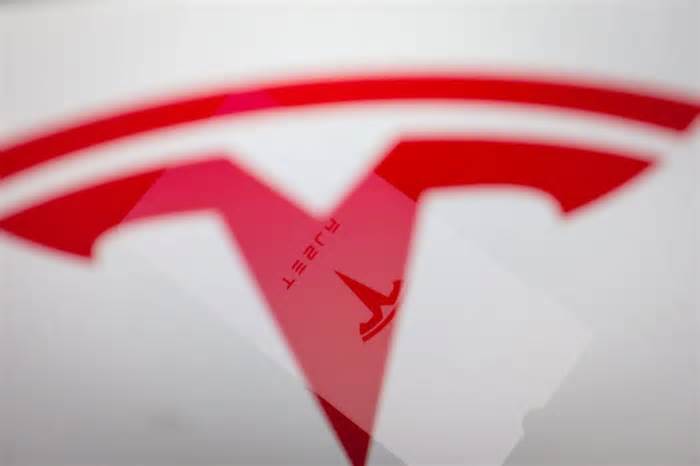
In a significant step toward advancing its renewable energy ambitions, Tesla Inc. has reportedly entered into a $4.3 billion battery supply agreement with LG Energy Solution (LGES), a move that signals Tesla’s growing focus on energy storage solutions alongside its electric vehicle (EV) business. The long-term contract centers on the supply of lithium iron phosphate (LFP) batteries from LGES’s U.S. facility, reflecting both companies’ response to the changing landscape of clean energy regulations and supply chain demands.
You might also like From Tesla to Toyota: Top 10 Car Companies in the World
According to Reuters, the deal will run from August 2027 to July 2030, and includes an extension option of up to seven years, depending on future demand and terms. While LG Energy officially disclosed the agreement earlier this week, Tesla was not named due to confidentiality obligations, but insiders confirmed the EV and clean energy giant as the buyer.
The batteries will be sourced from LGES’s U.S. manufacturing plant in Michigan, where LFP battery production began in May 2025. This facility marks one of the few non-Chinese production hubs for LFP cells, a crucial point, as U.S. legislation increasingly emphasizes domestic production and less dependence on foreign battery supply chains, particularly China’s.
Tesla’s Storage Strategy: Moving Beyond Cars
While Tesla is globally recognized for its electric vehicles, this deal illustrates its aggressive push into the energy storage sector. The LFP batteries are expected to power Tesla’s Megapack storage systems, which are increasingly used in grid-scale and commercial energy storage.
Tesla’s first major utility-scale storage project outside the U.S. is located in Shanghai, China, and reportedly cost around 4 billion yuan ($556.8 million). That facility uses Megapacks and is operated in partnership with China Kangfu International Leasing and the Shanghai municipal government. Production of Megapacks at the Shanghai Megafactory began in February 2025, further signaling the company’s intent to scale storage offerings worldwide.
Why LFP Batteries? Safer, Cheaper, and U.S.-Friendly
The switch to lithium iron phosphate (LFP) chemistry is an intentional strategy. While these batteries offer slightly lower energy density than their nickel-based counterparts, they are safer, cheaper to produce, and have a longer cycle life important qualities for stationary energy storage.
Most LFP production globally still resides in China, making LGES’s U.S. facility a rare and valuable asset. By manufacturing domestically, both LGES and Tesla can better comply with requirements in the U.S. Inflation Reduction Act (IRA), which offers tax credits and subsidies for U.S.-made batteries and renewable components.
This alignment between technological advantages and regulatory compliance is part of why this partnership makes strategic sense for both companies.
Onshoring the Battery Supply Chain: Pressure Mounts
Tesla and LGES’s partnership also reflects broader industry pressures. The U.S. government has ramped up efforts to promote domestic manufacturing and reduce reliance on geopolitical rivals for critical technologies. Through incentives like the IRA and the CHIPS and Science Act, companies are encouraged to onshore battery supply chains, or at the very least, source from trade-aligned nations.
As one of the few battery producers with active U.S. operations, LGES stands to benefit greatly. In turn, Tesla ensures a reliable, regulation-compliant source for its growing energy division, which now includes not only Megapacks but also Powerwalls for home use and Solar Roof systems.
Despite the strategic significance of this deal, Tesla’s stock is down 15.3% in 2025, reflecting broader concerns about EV market saturation, increased competition, and macroeconomic headwinds.
However, on Stocktwits, a popular retail investor platform, sentiment toward Tesla remained “bullish”, with a high volume of discussion surrounding the LGES deal. Many retail investors interpreted the agreement as a long-term positive signal, particularly for Tesla’s non-automotive business segments, which are viewed as critical to the company’s future growth.
This isn’t the first collaboration between Tesla and LGES, but it may be the most strategically significant. It demonstrates a maturing relationship focused not just on EVs but on multi-decade partnerships in energy storage, an area poised for massive growth as utilities and governments seek to stabilize renewable energy grids with backup battery infrastructure.
Tesla’s ambition to lead the battery energy storage systems (BESS) market is gaining traction. Analysts expect the global BESS market to reach $30 billion by 2030, and Tesla’s early investments are likely to pay dividends as governments and corporations scramble for clean, resilient power solutions.
Tesla’s $4.3 billion battery supply deal with LG Energy Solution is more than just another contract, it’s a signal of the company’s long-term energy strategy. As Tesla diversifies beyond vehicles, its foothold in energy storage could become just as impactful as its presence in the EV market.
By securing U.S.-produced LFP batteries that comply with federal incentives and trade rules, Tesla is future-proofing its supply chain while aggressively expanding into one of the fastest-growing sectors in clean energy.
With more Megafactories in the pipeline and growing global demand for sustainable storage, this partnership could mark the beginning of Tesla’s next major evolution from electric carmaker to clean energy conglomerate.
Please first to comment


Stay Connected
Tweets by elonmuskTo get the latest tweets please make sure you are logged in on X on this browser.