





 Energy




See All 49 Photos
This could have been different. Fisker could have rocked Tesla the way the 1990 Lexus LS forced Mercedes to up its game. Competition drives innovation, but with the Model Y, Tesla swats away rivals by slashing prices and forcing the market to follow. At this point, the discounted Model Y blurs the line between mainstream and luxury, leading us to wonder: Can anyone shake Tesla’s market dominance?
0:00 / 0:00
That brings us to the Fisker Ocean, an electric SUV bursting with original ideas; taco trays and a cool California mode only scratch the surface on the Ocean’s potential. While Fisker fights for its life and slashes prices by up to $24,000 on existing inventory of 2023 Oceans, the company is currently no threat to anyone. In this comparison of the Fisker Ocean and the Tesla Model Y, we’re putting that aside to see how much the newcomer can teach one of the most popular SUVs on the planet.
Here’s how close it came.
See All 49 Photos Fisker Beats Tesla on Range, but Not Charging
The Fisker starts strong, demolishing the Tesla in MotorTrend’s Road-Trip Range test, which tracks how far you can drive an EV using 95 percent of a fully charged battery at a constant 70 mph. From a 360-mile EPA range, the Ocean Extreme manages 292 miles in this test. That’s impressive for an SUV rolling on 22s versus our Model Y Long Range’s 19s.
With the Model Y, range tumbles from the EPA’s 330 miles to just 229, a bigger drop that suggests 330 miles to a charge will only happen with careful driving and conditions that perfectly match the EPA’s 55-percent city/45-percent highway driving testing procedure.
See All 49 Photos
Charging is another story. In our tests, the Tesla added 118 miles of range after 15 minutes of fast-charging and 176 after a half hour. Fisker managed 114 miles after 15 minutes and 200 after 30 minutes, not bad considering its peak observed charge speed was 167 kW, slower than the 254 kW we saw with the Tesla. The TL;DR version? Both SUVs are fine, but the Model Y includes access to Tesla's easy-to-use and widespread Supercharger network today. The Fisker can use other fast-charging networks, of course, but won't provide adapters for select Supercharger stations until 2025.
See All 49 Photos
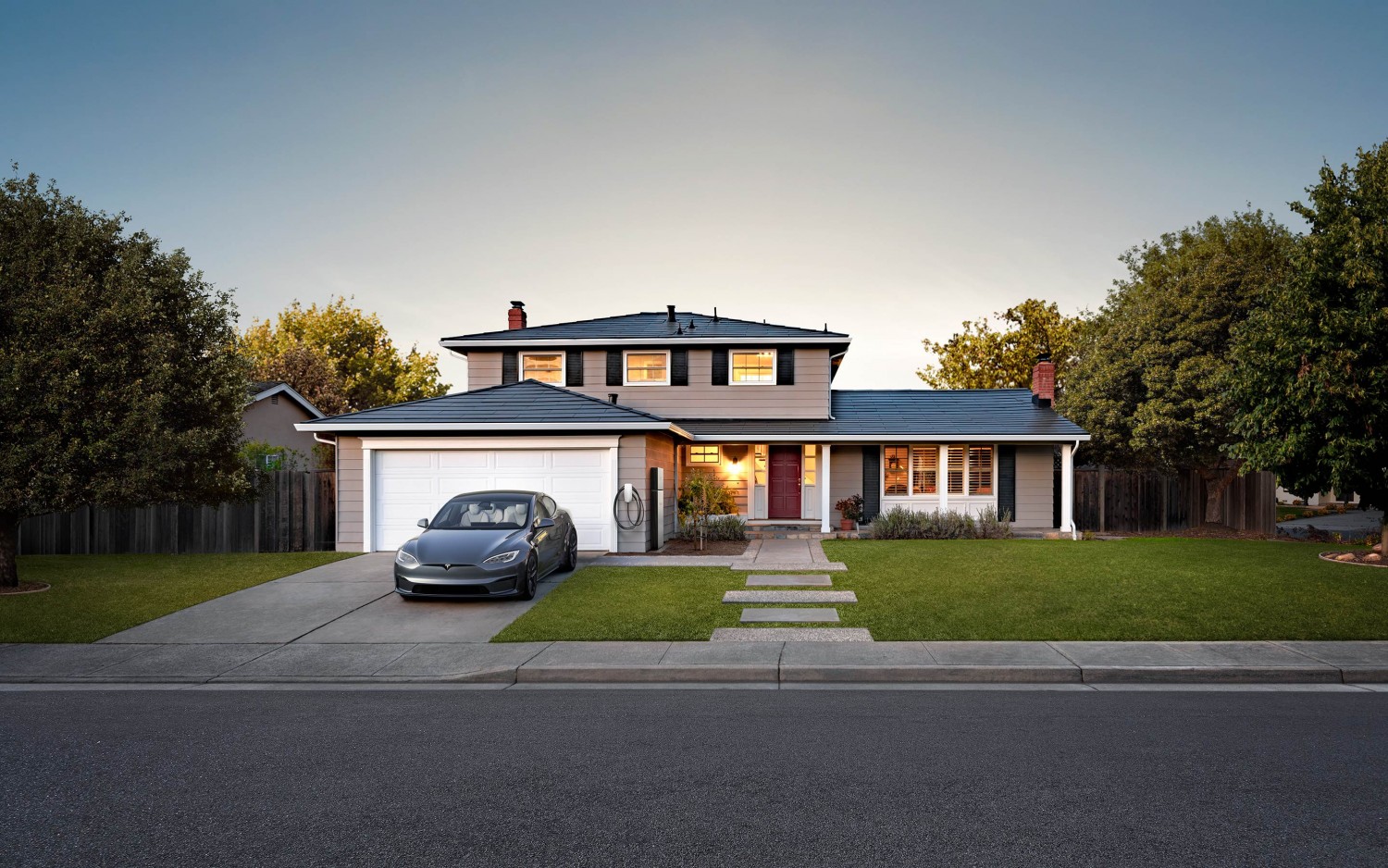
The real issue here isn't fast-charging speeds or even the startling noise the Ocean makes when you've reached your fast-charging stopping point. No, it's the fact the Fisker home charges at a slow 6.6-kW rate to the Tesla's 11.5-kW max.
Trust us, 6.6 kW is behind the curve for a new EV sold in 2024. Put another way, Fisker says it'll take 18 hours to go from 0 to 100 percent charge with home charging. That's not great.
If you come home late one night and plug in your Fisker, you shouldn't have to wonder whether it'll be ready the next morning.
That brings us to another problem we had with our Ocean tester: tiny state-of-charge losses overnight. Consistently, the Fisker lost about 1 percent of its total charge each night. Phantom drain is a problem we saw on our yearlong Rivian test truck, as well.
If we don't drive a car for a few days, we don't want to find it has 12 fewer miles of range than before, regardless of whether said car takes gas or electricity. Improving this was part of Fisker’s latest software update (Ocean OS 2.0, installed on our test SUV), but it seems more progress can still be made.
That’s not something we want to deal with on a road trip or in our day-to-day lives. So, although the Fisker’s superior MT Road-Trip Range is great, Tesla’s advantages—quicker home charging and Supercharger access today—are hard to ignore.
See All 49 Photos
Please first to comment



Stay Connected
Tweets by elonmuskTo get the latest tweets please make sure you are logged in on X on this browser.