





 Energy



That changed this year. First, Musk decided to incorporate the launch site as its own city. That happened on May 3, when the few residents who live in the area â most of whom The Texas Newsroom determined work for SpaceX â voted to create the new city of Starbase.
Musk then wanted state lawmakers to hand the new city the power to close Boca Chica Beach and the adjoining public highway during the week, a change the county officials opposed.
Advertisement
State Sen. Adam Hinojosa, a newly elected Republican who represents the area, authored the legislation to shift control to Starbase. Dozens of SpaceX employees got involved in the effort, submitting pages of identical comments to lawmakers in support.
Democrats succeeded in killing Hinojosaâs bill, prompting local activists to celebrate. Their victory was short-lived. Late in the session, lawmakers decided instead to shift some of this power to the Texas Space Commission, which facilitates the stateâs space exploration agenda.
The new law states that the commissionâs board can close highways and gulf beaches with the approval of a local municipality, which, in this case, is Starbase. SpaceX retains a connection to the commission itself: Kathy Lueders, who confirmed that she left her job as Starbase general manager last month, still sits on the Space Commission board. She directed additional questions to the commission.
The Space Commission declined to answer questions on SpaceXâs potential future involvement with these discussions.
âThe way I view it is SpaceX wanted a certain amount of power,â said Reed, with the Sierra Club. âAnd at the end of the day, they didnât quite get it, but they got something pretty close.â
The bill passed along largely partisan lines. Republican state Rep. Greg Bonnen, who authored the bill, did not respond to a request for comment about the role Starbase may play now that it will become law.
Lawmakers passed several more bills to benefit spaceports, the sites where spacecraft launch, like SpaceX.
While Texas is home to multiple spaceports, including Amazon founder Jeff Bezosâ Blue Origin, SpaceX dwarfs the rest in size and scope of influence across the state and country, boasting large federal government contracts and a growing satellite industry.
Advertisement
Hinojosa was an author or sponsor on most of these bills; he did not respond to multiple requests for an interview or comment for this story.
Other than the beach closure legislation, many passed with the support of Democrats.
At SpaceXâs urging, Texas lawmakers passed a measure to ban drones over spaceports. They also added spaceports to the stateâs âcritical infrastructureâ facilities, which already include airports and military bases. The law will make it a felony to intentionally damage or interrupt the operation of any site where a spacecraft is tested or launched. Similar critical infrastructure laws have been used in other states to arrest people protesting oil and gas pipeline projects.
Bekah Hinojosa with the South Texas Environmental Justice Network, a local activist group, told The Texas Newsroom the new critical infrastructure law will let Musk âmilitarize our Boca Chica Beach for his dangerous rocket testing endeavors.â
The Sierra Club and other groups from South Texas, including a local Indigenous tribe, are suing the state, arguing that closing Boca Chica violates an amendment to the Texas Constitution that protects access to public beaches.
The General Land Office, the main defendant in that suit, declined to comment. In court filings, Texas Attorney General Ken Paxton argues the state can still regulate beach access for public safety reasons and that it cannot be sued in this case because it has immunity. The case is pending at the Texas Supreme Court.
Legislators also passed two more new laws that will shield companies like SpaceX from public scrutiny and legal challenges.
One will exempt certain military and aerospace issues from public meetings laws, allowing elected officials in some cases to discuss these topics behind closed doors. The proposal was so concerning to residents who live close to SpaceXâs facility near Waco, where locals say the companyâs rocket testing has spooked livestock and damaged homes, that they submitted a dozen comments against it.
This law went into effect on May 15.
Another new law will make it harder for crew members and certain other employees to sue space flight companies. This, like most new legislation approved this session, will become law on Sept. 1.
SpaceXâs only significant public defeat during this yearâs legislative session was the failure of a bill it supported to give spaceports a tax cut. The measure would have cost nearly $14.5 million over five years, according to an official estimate from the Legislative Budget Board.
Moriba Jah, a professor of aerospace engineering and engineering mechanics at the University of Texas at Austin, believes Texas is pandering to Musk.
âItâs all to help Elon,â said Jah, who added that his viewpoint is rooted in resisting policies that enable what he called âenvironmental plunder masked as âinnovation.ââ He has concerns that the state is investing in spaceports, most notably Muskâs, while carving out exceptions that prohibit public insight and input into whatâs happening at those facilities.
âThereâs this whole cloak of secrecy with whatever Elon is doing,â Jah said. âWe will not and should not cease to launch satellites or explore space. But the way in which we do it matters a lot.â
âThey Never Come Out of the Shadowsâ
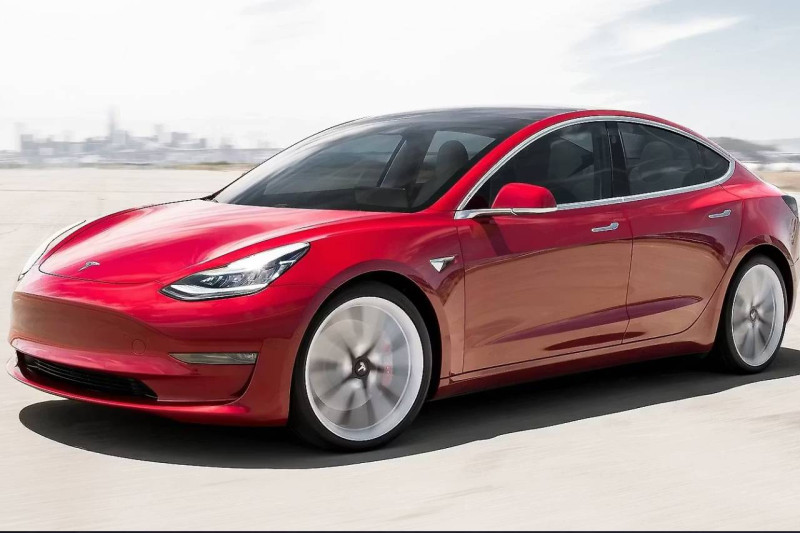
This year, Teslaâs lobbyists publicly advocated against only two bills. Both died.
One was a GOP-authored proposal intended to create a buffer zone between homes and large-scale energy storage facilities like the kind Tesla sells.
The other bill would have imposed more regulations on the type of cars that Musk is rolling out as robotaxis in Texas, and would have required a public hearing if a collision involving an autonomous vehicle resulted in a fatality.
Bill author Rep. Terry Canales, an Edinburg Democrat, believes his legislation failed because it was not pro-industry enough.
âTesla is the worst actor that Iâve ever dealt with in the Capitol. Theyâre subversive. They never come out of the shadows,â Canales told The Texas Newsroom. âNot only did I not hear from them, I didnât expect to hear from them because thatâs the way they operate.â
Lawmakers instead advanced a different bill, one with a lighter regulatory touch that was crafted with input from the autonomous vehicle industry.
It will require commercial operators, such as robotaxi and driverless big rig companies, to obtain authorization from the state. This approval can be revoked if the companyâs vehicles endanger the public, including causing âserious bodily injury,â though it requires no public hearings in the case of a fatality, as Canalesâ bill would have done. Autonomous vehicle companies will also have to develop plans for interacting with emergency responders.
Tesla took a neutral stance on the legislation. But the billâs author, state Sen. Robert Nichols, R-Jacksonville, told The Texas Newsroom that Teslaâs team participated in work groups and stakeholder conversations with industry groups, trial lawyers and others.
Texas has been at the forefront of testing this technology for years, rolling out its first regulations in 2017. But with more autonomous vehicles hitting the streets, Nichols said it was time to clarify the rules and called his bill âa real opportunity here to actually improve safety.â
Nicholsâ legislation initially died in the Texas House. But with less than a week before lawmakers packed up to go home, a House member added the entirety of Nicholsâ bill as an amendment to another transportation bill, which will become law Sept. 1.
Tray Gober, a personal injury lawyer who handles vehicle crash cases in Austin, said itâs smart to get new regulations for autonomous vehicles on the books. But he worries that Texas is rushing to give its blessing to a technology that has not been fully tested.
âWeâre not talking about rockets crashing into the ocean. Weâre talking about cars crashing into other people,â he said, comparing Tesla to SpaceX. âThereâs going to be people that are hurt during this process of improving these systems, and thatâs unfortunate. I think itâs viewed as collateral damage by these companies.â
When asked about concerns that there could be fatalities as the number of driverless cars grows in Texas, Nichols said, âThere probably will be. Eventually there will be. I would not doubt that.â But he pointed to studies showing autonomous vehicles are safer than human drivers.
âIf you start looking at the breakdown of the fatalities on the roads and the crashes and the wrecks, what causes them? Itâs not equipment failure. Itâs driver distraction,â he told The Texas Newsroom.
Critics of these studies argue their scope is too narrow to make conclusions about the safety of self-driving technology. Citing safety concerns, some local lawmakers asked Teslaâs robotaxi rollout in Austin to be delayed. The company continued with the launch but with human monitors in the passenger seats.
Many Democrats opposed Nicholsâ proposal. But at least three other bills affecting Tesla got bipartisan support.
At times, the Sierra Club was fighting against Muskâs SpaceX bills while working with his Tesla lobbyists on clean energy legislation, said Reed, the clubâs conservation director. For example, Tesla and the Sierra Club both supported legislation to create new fire standards for battery energy storage facilities and address the environmental and financial challenges associated with decommissioning them.
Tesla also backed a bill that had bipartisan support to make it easier for homeowners to install backup power generators, such as the companyâs Powerwall.
Reed said Muskâs shift to the right has created interesting bedfellows, sometimes making it easier for Republicans to back some of the energy policies more traditionally associated with progressives.
He remarked, âItâs an interesting time in our country, right?â
Muskâs Indirect Influence
For all the bills Musk pushed to see pass, he also indirectly influenced the creation of new laws on which he did not take a public stance.
Texas lawmakers created the stateâs own DOGE office housed under the governor, the name an homage to Muskâs controversial federal cost-slashing effort in Washington, D.C.
Musk himself took no public role in creating the new office. But at a signing ceremony for the bill, Gov. Greg Abbott explained he was the inspiration.
Texas legislators also rewrote the stateâs corporate laws after Musk raised concerns about business codes in other states. Authored by Republican state Sen. Bryan Hughes, the rewrite shields business leaders from lawsuits and establishes thresholds for the types of legal challenges shareholders can file.
Musk and his lobbyists never came out in support of the bill, but he has long complained that states needed to shore up protections for CEOs and other business leaders.
Please first to comment



Stay Connected
Tweets by elonmuskTo get the latest tweets please make sure you are logged in on X on this browser.